Essential Tools For Graphic Designers
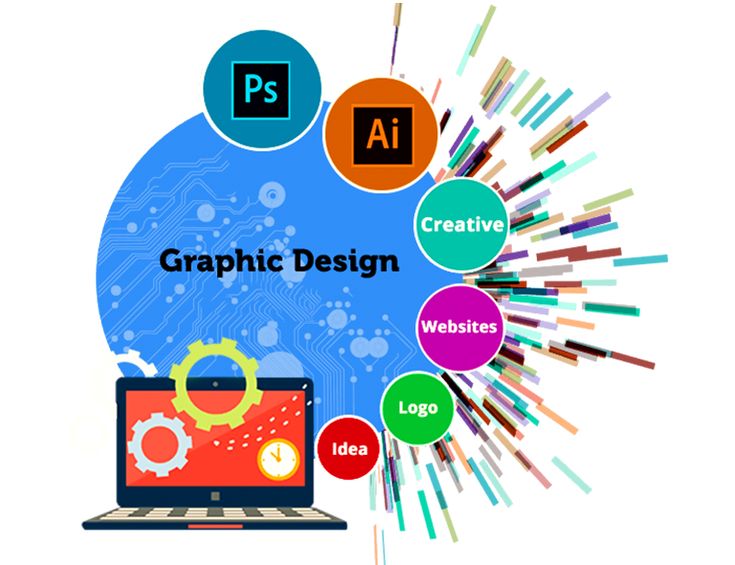
To bring creativity to life and deliver high quality visual content, graphic designers rely on a variety of digital tools. These tools not only speed up the design process but also help achieve precision, consistency and professionalism in every project. Whether you're a beginner or a seasoned designer, having the right set of tools is essential. Photoshop is the industry standard for raster graphics. It's used for everything from retouching photos and creating digital artwork to designing web layouts and social media content. Illustrator specializes in vector design, making it ideal for creating scalable graphics like logos, icons and custom illustrations. InDesign is perfect for designing magazines, brochures, books and other print materials.
Principles Of Good Design
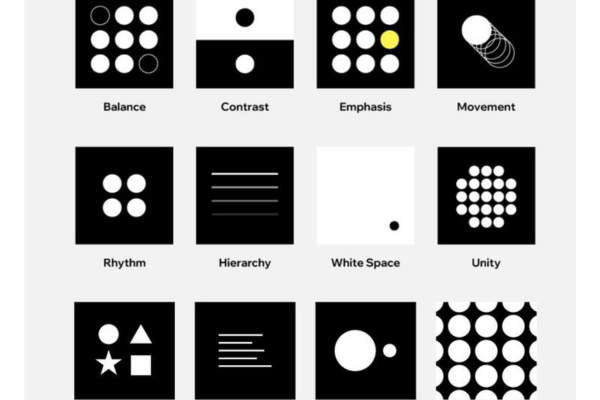
Good design is not just about making things look attractive it’s about creating clear, effective and meaningful visual communication. The following principles are the foundation that guides designers to create balanced, functional and aesthetically pleasing work. Balance ensures that no one part of the design overpowers another. It creates a sense of stability and harmony. Contrast highlights differences between elements, making important parts stand out and improving readability. Proper alignment improves flow and readability, guiding the viewer’s eye naturally through the design. Repetition involves reusing the same or similar design elements to create consistency and unity.
Frequently Asked Questions
Key skills for graphic designers include creativity, strong understanding of design principles (like balance, contrast and hierarchy), proficiency in design software (such as Adobe Photoshop and Illustrator), good communication and the ability to solve visual problems.
Graphic designers often use tools like Adobe Photoshop for photo editing, Adobe Illustrator for vector graphics, Adobe InDesign for layout and publishing and Figma or Sketch for UI/UX design and prototyping. Beginners might also use Canva for simple, quick designs.
To start learning graphic design, you can take online courses, watch tutorials, practice regularly by creating your own projects, study design principles and analyze good designs. Building a portfolio with your work will help showcase your skills to potential clients or employers.
Raster graphics are made up of pixels and are best for detailed images like photographs (e.g., JPEG, PNG). They can lose quality when scaled up. Vector graphics are made using mathematical paths and shapes, allowing them to scale infinitely without losing quality (e.g., logos created in Adobe Illustrator).

Sources Of Inspiration
Inspiration can come from many different sources, and understanding how to find it is crucial for fostering creativity and new ideas. Below are the various ways to draw inspiration for your research or creative projects.

Overcoming Creative
Sometimes, the process of research or creative work can feel stuck. Sometimes stepping away for a while can help you see things from a new perspective and a new setting.

Inspiration
Inspiration is not only a spark for creative thinking but also an essential ingredient for conducting meaningful research. The inspiration gain your enthusiasm.
The Role Of Typography And Color Theory
Typography and color theory are fundamental aspects of graphic design that influence how designs communicate, evoke emotions and capture attention.
- The Art of Lettering
- Crafting Mood
- Creating Balance
- Visual Hierarchy
This section would explore how the selection of fonts, the spacing between letters and the strategic use of colors can dramatically affect a design’s readability, aesthetic appeal and overall impact.